

Solo Female Travel in India: The Honest Safety Guide (2026 Edition)

New to India? This guide focuses specifically on safety for women. If you haven’t planned your basics yet (Visas, SIMs, Water), please read our foundational guide first: The Ultimate Guide for First-Time Travelers to India (2026) –>
Let’s address the elephant in the room immediately. Is India safe for solo female travelers?
If you read Western newspapers or guidebooks from 2015, the answer they give is “No.” Tear those pages out. They are describing a country that no longer exists.
The India of 2026 has undergone a safety revolution. In states like Uttar Pradesh—once labeled “unsafe” by foreign media—cities like Varanasi and Ayodhya are now among the most secure destinations in the world, heavily patrolled by Tourist Police and monitored by 24/7 surveillance. The infrastructure of highways, Vande Bharat trains, and well-lit corridors has transformed the travel experience.
However, India remains intense. It is loud, unapologetic, and deeply spiritual. The secret to a successful solo trip isn’t avoiding “danger” (which is statistically low for tourists); it’s about Acclimatization. You don’t run a marathon without stretching. Similarly, you shouldn’t land in the high-energy vibration of a spiritual capital on Day 1.
This guide is your “Big Sister” briefing—rejecting the old stereotypes and giving you the modern strategy to explore Bharat with confidence. By the end of this guide, your perspective on is India safe for solo female travelers? will shift from one of hesitation to one of total empowerment.
The “Acclimatization” Route: South to North
Strategy: One of the most common questions is: Is India safe for solo female travelers? The answer often depends on your entry point. We recommend a route that allows you to adjust to the Indian “frequency” gradually, starting with the cosmopolitan ease of the South before heading to the spiritual intensity of the North.
Phase 1: The “Soft Landing” (Entry)
Start your trip in the South or West. These cities are cosmopolitan, modern, and allow you to get comfortable with the logistics (UPI, Cabs, Language) in a relaxed setting.
- Mumbai (BOM): The financial capital. It is fast, professional, and incredibly safe. Women travel freely at midnight here. It breaks the stereotype of “conservative India” immediately. Mumbai often serves as the best proof when people ask, is India safe for solo female travelers? as the city pulsates with a high-energy, protective vibe for women.
- Bengaluru (BLR) / Chennai (MAA): World-class airports and tech hubs. The culture here is deeply respectful and educated. It is the perfect place to get your “India Legs.”
- Kerala/Goa: If you want a gentle, tropical start to ease into the climate.

Plan Your Entry: For a deeper look at these entry points, read our (Coming Soon)India Itinerary for First-Timers (2026): Delhi, Mumbai, or Chennai? –>
Phase 2: The Spiritual Core (Uttar Pradesh & Rajasthan)
Once you are confident with how India works, move North to the historic heartland.
- Varanasi (Kashi) & Ayodhya:
- The 2026 Reality: Varanasi safety for women has been transformed by the “Kashi Vishwanath Corridor” project. You’ll find 24/7 surveillance, dedicated Tourist Police outposts at Assi Ghat, and well-lit pathways that didn’t exist a decade ago. While the crowds are immense, the modern security upgrades in these corridors confirm that is India safe for solo female travelers? is a question the local administration takes very seriously.
- The Vibe: It is intense, not unsafe. By acclimatizing in the South first, you can absorb the spiritual energy of the evening Aarti without being overwhelmed by the crowds.
- Jaipur/Udaipur: The hospitality of Rajasthan is legendary. Tourism here is a well-oiled machine.
Phase 3: The Exit (New Delhi)
- New Delhi (DEL): End your trip in the Capital. It is a treasure trove of history, but the hustle is real. By now, you are a pro—you know how to bargain, how to use the Metro, and how to command respect—making Delhi a joy rather than a challenge.
The “Unwanted Attention” Reality Check
It’s Not Danger, It’s Curiosity. Western media often confuses “Staring” with “Harassment.”
- The Context: In many parts of Bharat, a foreign guest is a novelty. People stare out of curiosity. It is often harmless.
- The Fix: Wear sunglasses (the “Invisible Shield”) and walk with purpose. Do not smile at strangers (which can be misread), but do not live in fear.
Wardrobe Strategy: The “Kurta” Advantage
Dress like a local to get treated like a Guest.
- The Kurta: A loose tunic top with leggings is your superpower. It signals that you respect Bharatiya culture. Dressing in a Kurta isn’t just about fashion; it’s a strategic move for anyone wondering is India safe for solo female travelers? because it commands immediate local respect.
- The Result: You stop being a “Tourist Target” and start being treated as a “Sister.” Locals will go out of their way to protect and help you when they see you embracing their traditions.
The “Tech-Shield”: 3 Apps You Need
Digital India is your bodyguard.
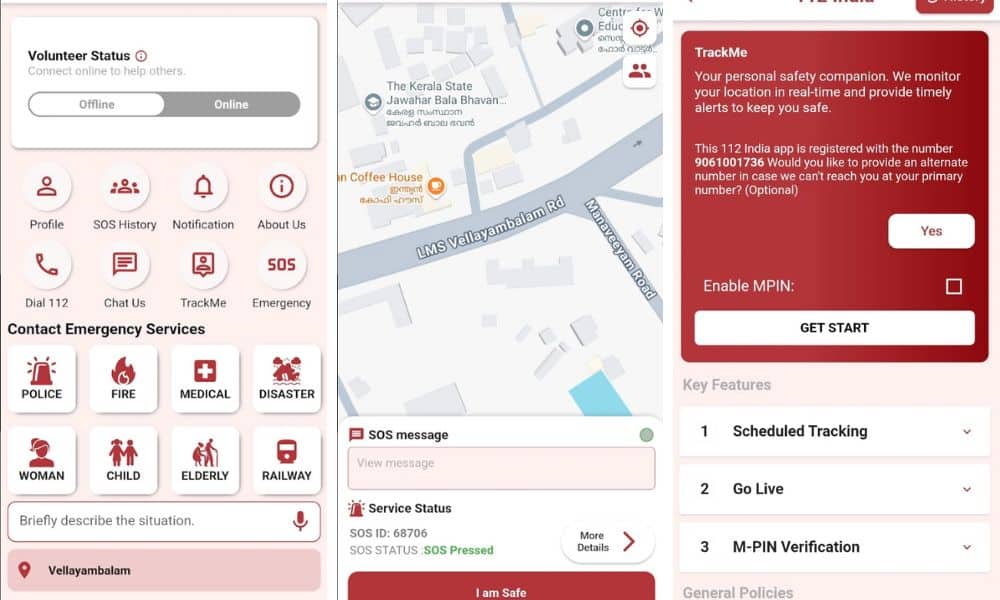
- 112 India: The official Government app. One button connects you to Police, Fire, and Health. It is highly responsive in 2026. Having the 112 India app on your home screen is the definitive digital answer to is India safe for solo female travelers? in the year 2026.
- Uber: Trackable, air-conditioned, and safe. Avoid haggling on the street at night.
- My Safetipin: Check the safety score of your neighborhood before you book a hotel.
Essential: SafetyWing vs. World Nomads for Women
Insurance isn’t just for hospital bills; it’s your “Get Out of Jail Free” card for travel mishaps. Selecting the right policy is the financial side of the is India safe for solo female travelers? equation, ensuring you have backup for any scenario. For solo women in Bharat, the choice usually comes down to these two:
Option A: SafetyWing (The Nomad’s Best Friend)
- Best For: If you’re a digital nomad or on a budget-friendly 3-month soul-searching trip.
- The Woman’s Edge: You can buy it after you’ve already landed in India. If you suddenly decide to stay an extra month in a yoga retreat in Rishikesh, you just let the subscription roll.
- Cost: ~$56 per 4 weeks.
- The Catch: Lower coverage for high-end electronics. If you’re carrying a $2,000 MacBook and a Sony camera, this might not be enough.
Option B: World Nomads (The Adventure Specialist)
- Best For: If you are heading to the Himalayas for trekking or carrying a “Content Creator” gear bag.
- The Woman’s Edge: They have a more robust “Assault” and “Emergency Evacuation” protocol. If you need a helicopter out of a mountain pass or a secure medical escort, World Nomads has higher coverage limits ($100k+ vs SafetyWing’s $100k).
- Cost: Higher upfront cost (~$100-150 for a 2-week trip).
- The Catch: You generally need to buy it before your trip starts for the most comprehensive coverage.
Read our deep dive: SafetyWing vs. World Nomads for India –>
Pro-Tip: If you are a solo traveler, World Nomads’ Explorer Plan is the gold standard for “total peace of mind,” while SafetyWing is the winner for long-term flexibility.
3 Golden Rules for Solo Women
- The “Wedding Ring” Shield: Wear a cheap ring. If asked, say “My husband is at the hotel.” It shuts down unwanted conversation.
- No Night Trains (Initially): Choose 2AC over 1AC. Avoid “Sleeper Class” until you are confident.
- Avoid 1AC (First Class): 1AC cabins have lockable doors. Being locked in a small coupe with a male stranger is not safer.
- Choose 2AC (Second AC): This is the sweet spot. You get curtains for privacy, but the layout is open-plan. You are never isolated; there are always families and other passengers around (“Safety in Numbers”).
- Vande Bharat or AC Chair Cars: For day trips, always choose the Vande Bharat Express (Chair Car) or AC Chair Cards. These are world-class and secure.
- Be Loud: If someone bothers you, shout “NAHI” (No). Public shame is a powerful tool in India. The crowd will almost always side with the woman.

Before we dive into our conclusion, let’s address a few more specific queries regarding is India safe for solo female travelers? and the modern reality of Bharat.
FAQ: Common Questions on Solo Travel in Bharat
Conclusion: Step into Your Shakti
In Bharat, female power is not just a concept—it is the fabric of our existence. To travel here as a solo woman is to enter a dialogue with Shakti herself. While India will challenge your boundaries, it will also mirror back the immense strength and resilience you already carry within.
Don’t let outdated fears or “ghosts of guidebooks past” keep you from experiencing the most transformative country on Earth. When you walk with purpose, utilize the modern Tech-Shield, and trust your refined instincts, you will find that India doesn’t just welcome you—it protects you.
So, is India safe for solo female travelers? In the land of Shakti, the answer is a resounding ‘Yes’—provided you walk with wisdom and use the modern tools at your disposal.
Your Safety Checklist
- The Financial Shield: Have you picked your policy yet? SafetyWing vs. World Nomads: Which is best for women? –>
- The Health Shield: Ensure your water is 100% pure anywhere in India. Read our Grayl Geopress Review –>
- The Planning Shield: If you missed it, choose your safest entry point here: (Coming Soon) India Itinerary for First-Timers –>


