
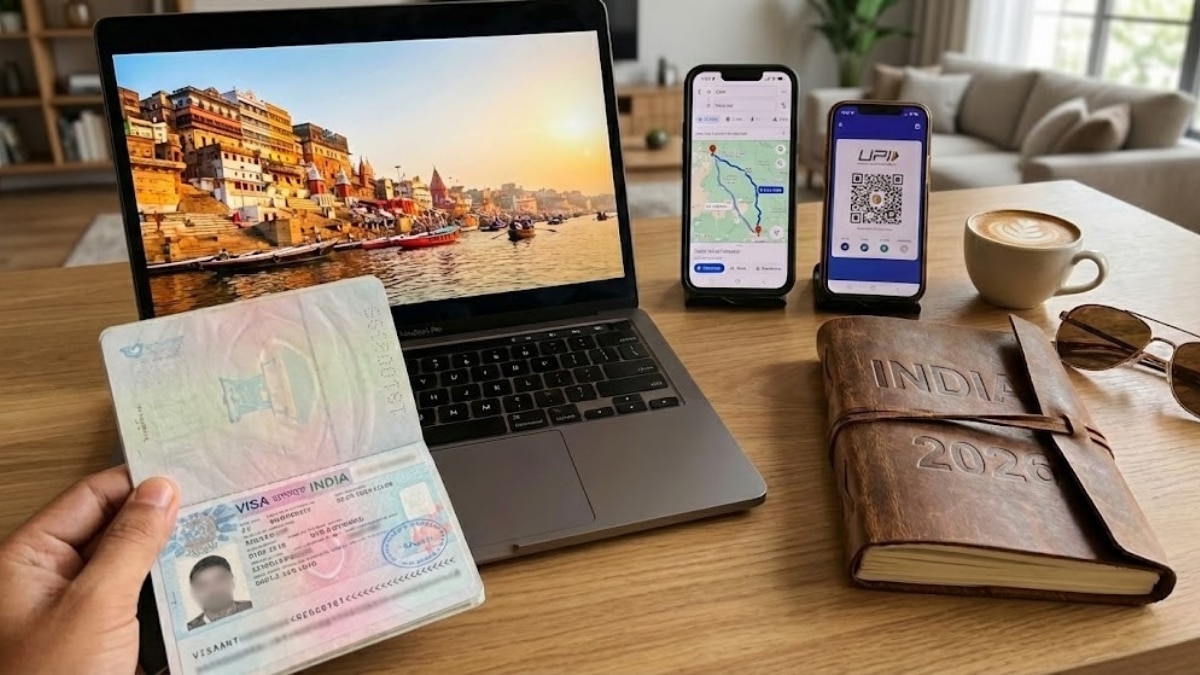
The Ultimate Guide to Planning Your First Trip to India (2026 Edition)

Disclosure: Some links in this article are affiliate links. If you make a purchase through them, we earn a small commission at no extra cost to you.
Introduction: The India You Imagine vs. The Real India
India is not just a destination to be seen, but an awakening to be felt—an experience that rearranges the very fabric of your soul.
For many, planning your first trip to India feels like a beautiful contradiction—a mix of deep spiritual longing and intense logistical overwhelm. You’ve heard of the vibrant chaos and the sensory explosion of colors. But you’ve also heard of the stillness of the Ganga at dawn, the ivory majesty of the Taj Mahal, and the profound wisdom etched into ancient temples.
The truth? India is all of these things at once. But the difference between a stressful trip and a magical one comes down to one thing: Preparation.
At BharatDesha, we live by the philosophy of Atithidevo Bhava—the sacred Sanskrit tenet meaning “The Guest is God.” This guide is our digital welcome mat. We’ve stripped away the noise to provide a proven, step-by-step roadmap for your first journey to Bharat.

Step 1: Sorting The Paperwork (The Visa)
Before you book your flight, you must secure your legal entry. In 2026, the proven way to do this is through India’s 100% digital e-Visa system. For citizens of the US, UK, Canada, and the EU, the process is streamlined, but the government portal is famously “perfectionist.
Choosing the Right Visa for Your Journey
Don’t just pick the first option you see. Your visa type dictates how long you can stay and how many times you can re-enter the country.
|
Visa Type |
Best For |
Max Stay |
Approx. Fee (USD) |
|---|---|---|---|
|
30-Day Tourist |
Short trips or Yoga retreats |
30 Days |
$10 – $25 |
|
1-Year Tourist |
The “Standard” choice |
180 Days* |
~$40 |
|
5-Year Tourist |
Frequent travelers |
180 Days* |
~$80 |
|
e-Ayush Visa |
Traditional healing/Vedic study |
60 Days |
~$80 |
*Continuous stay limits vary by nationality. Always verify your specific granted ETA.
💡The #1 Reason for Rejection: Over 80% of rejected applications are due to incorrect photo uploads. The portal’s AI will reject a photo for having a slight shadow, wearing a white shirt, or even wearing glasses.
Two Paths to Approval:
- The DIY Route: Apply via the Official Government Portal (Look for the .gov.in URL).
- The Peace-of-Mind Route: If you find the government site glitzy or your credit card keeps declining, we recommend using iVisa. They pre-check your photos and handle the technical hurdles for a small fee.
👉 Deep Dive: Proven Guide: Indian e-Visa for Tourists (2026 Step-by-Step)
Step 2: Choosing Your Route (The “Gateway” Dilemma)
India is a subcontinent, not just a country. Trying to “see it all” in two weeks is a guaranteed recipe for burnout. When planning your first trip to India, the most critical decision you will make is your “Gateway”—the city where you first touch down.
Your landing spot dictates the rhythm of your entire journey. In 2026, we categorize the major entry points into three distinct “Vibes”:
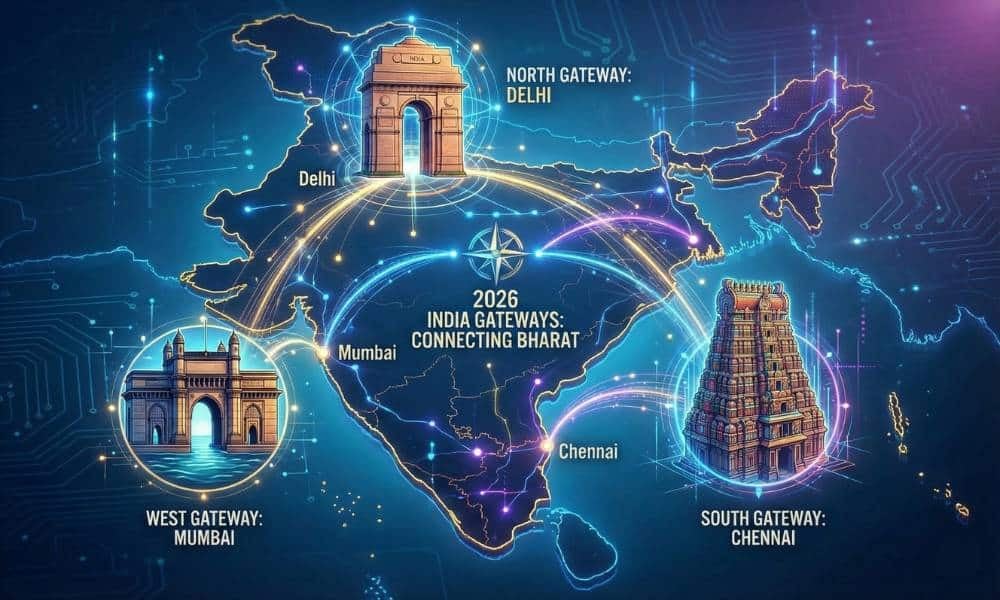
1. Delhi (DEL) – The Northern Hub (Heritage & Soul)
If you want to witness the grand narrative of India’s history and its spiritual awakening, land here.
- The Classic Route: The Golden Triangle (Delhi, Agra, and the palaces of Rajasthan).
- The Spiritual Route: The New Golden Triangle (The Moksha Circuit)—Ayodhya, Prayagraj, and Varanasi. The Yoga capital of the world Rishikesh, the magnificant Himalayas and the wonders of North East India await.
👉 Start Planning: The Imperial North: 14-Day Classic India Itinerary from Delhi (2026)
2. Mumbai (BOM) – The Western Connector (Modernity & Nature)
The “City of Dreams” is the perfect springboard for those wanting a mix of high-energy urban life and tropical relaxation.
- The Western Wonders: The ancient caves of Maharashtra (Ajanta/Ellora), the unexplored Konkan coast and the vibrant heritage of Gujarat.
- The Coastal South: An easy hop down to the palm-fringed beaches of Goa or the backwaters of Kerala.
👉 Start Planning: Maratha Grandeur: 14-Day Deccan & Rajput Masterclass (2026)
3. Chennai (MAA) – The Southern Soul (Living Antiquity)
For travelers seeking the deep, undisturbed roots of Indian culture, Chennai is your gateway to the Dravidian heartland.
- The UNESCO Trail: Explore the Great Living Chola Temples. Witness the architectural miracles of the musical pillars and “singing” stairs that have stood for a millennium.
- The Temple Towns: A world of towering Gopurams (temple gates) and sacred rituals that haven’t changed in centuries.
👉 Start Planning: The Dravidian Legacy: 14-Day Temple Trail & Coastal Soul (2026)
Pro-Tip: Don’t try to bridge North and South on your first 10-day trip. Pick one gateway and immerse yourself deeply. You can always return for the others—India is a lifelong study.

Step 3: Money Matters (UPI is King)
“Do I need cash? Can I use my credit card?”
This is the most frequent question when planning your first trip to India. In 2026, the answer is a perfect blend of digital and physical, but the hierarchy has flipped: Cash is no longer King—UPI is.
India has undergone a world-leading digital payment revolution. UPI (Unified Payments Interface) allows you to pay for a ₹15 street chai or a ₹50,000 silk saree by simply scanning a QR code with your smartphone. For years, this was closed to tourists, but as of 2026, the proven way for foreign travelers to pay like a local is through specialized UPI apps (like Cheq) that link to your international cards.
Don’t get stuck counting crumpled notes or hunting for ATMs that “might” accept your card.
👉 Essential Guide: UPI for Foreigners: How to Pay Like a Local (The 2026 Guide)
2026 India Budgeting: What Things Cost
While India remains highly affordable compared to the West, inflation in major hubs like Mumbai and Delhi means you should plan for these realistic 2026 prices:
|
Item |
Approximate Cost(INR) |
USD |
|---|---|---|
|
Street Chai |
₹15 |
$0.18 |
|
Auto-rickshaw 5 km |
₹100 |
$1.20 |
|
Mid-range Café Meal |
₹700 |
$8.50 |
|
Domestic Flight (Short) |
₹4,500 |
$55.00 |
|
5-Star Hotel Night |
₹14,000+ |
$170+ |
Pro-Tip: While UPI is everywhere, always keep ₹2,000 in small denominations (₹100 and ₹200 notes) in your wallet for remote temple donations or rural areas where signal might be spotty.
Planning your budget? Check live exchange rates instantly with our BharatDesha Currency Converter.
Step 4: Health & Survival (Water & Food)
Let’s address the elephant in the room: “Delhi Belly.”
Fear of getting sick is the #1 reason travelers hesitate when planning your first trip to India. However, the danger is often exaggerated. If you follow a few perfect survival rules, you can enjoy the sensory explosion of Indian cuisine without spending your trip in a bathroom.
The Golden Rule: The Water Protocol
Never drink tap water in India. In 2026, even in 5-star hotels, tap water is for washing, not for drinking or brushing your teeth.
- The Solution: While bottled water is everywhere, we recommend a more sustainable and proven approach for first-time travelers.
- The Gear: We use the Grayl Geopress. It allows you to turn any tap or river water into safe, virus-free drinking water in seconds.
💧 Read More: Is Tap Water Safe in India? How I Stayed Hydrated (My Grayl Geopress Review)
The High-Heat Food Strategy
You don’t have to avoid street food; you just have to be smart about it. Our perfect survival strategy for 2026 focuses on “High-Heat.” If it’s fried, boiled, or grilled right in front of you, it’s usually safer than a lukewarm buffet in a hotel.
🥘 The Survival Guide: Is Street Food Safe in India? The 2026 High-Heat Survival Guide
💡 The “Hospital” Reality Check
Here is a truth that surprises many: Indian private hospitals are world-class. In major hubs like Delhi, Mumbai, and Chennai, you will find facilities that are often more advanced than those in the West.
However, they operate on a different financial model: Upfront payment or verified insurance is usually required before admission.
Safety Wing
Recommended for focuses on medical emergencies and evacuation. Works like a flexible monthly subscription that you can start or stop mid-trip.
World Nomads
Recommended as the gold standard for travelers carrying expensive cameras, drones, or laptops for their Moksha Circuit vlogs. Has a high coverage.
Peace of Mind: Many Indian hospitals are accredited by the Joint Commission International (JCI). If you need care, you aren’t just getting “local” help; you are getting global-standard medical attention.
👉 Read More: Medical Tourism in India: World-Class Care at 1/10th the Cost
👉 Insurance Guide: The 2026 Travel Insurance Guide for India
Step 5: Staying Connected (The SIM Card)
You need Google Maps to navigate the streets of Madhya Pradesh, Uber to get through Mumbai’s traffic, and WhatsApp to communicate with your hotel in Ayodhya. In 2026, a working 5G connection is your digital lifeline.
When planning your first trip to India, you have two main choices for data:
- The eSIM (Fastest): For short trips (under 2 weeks), an eSIM from a provider like Airalo or Holafly is the perfect solution. You can activate it the moment your plane touches down, avoiding the chaos of airport kiosks.
- The Physical SIM (Cheapest): For longer stays, visiting a local Airtel or Jio flagship store with your passport is the proven way to get massive data limits at local prices.
Pro-Tip: Don’t rely on “Public Wi-Fi” at airports or cafes. It is often slow, requires an Indian phone number for an OTP (one-time password), and is less secure than a 5G data connection.
👉 Get Connected: Perfect India SIM Card Guide: The 2026 Tourist Edition (e-SIM vs. Physical)
Step 6: Cultural Etiquette (The “Sanatan” Touch)
India is deeply rooted in Sanatan Dharma (the eternal way of life). Understanding a few cultural nuances will transform your journey from a simple sightseeing trip into a profound spiritual awakening.
- Temple Protocol: Temples in India are active energy centers. Always remove your shoes, dress modestly (shoulders and knees covered), and ask for permission before taking photos.
- The “Namaste”: A simple gesture of joining your palms and bowing slightly is a respectful way to greet locals, especially in spiritual hubs around India.
- Respecting the Sacred: Whether it is the Ganga River or a local shrine, treat these spaces with the same reverence you would a cathedral.

👉 Deep Dive: What is Sanatan Dharma? A Guide for Modern Seekers
Step 7: Safety & Scams (The Street Smarts)
Is India safe? Yes. Is it intense? Absolutely.
The vast majority of “crime” against tourists is not violent; it is financial. While you are unlikely to encounter physical danger, you may find yourself being “sweet-talked” into paying triple for a taxi or being diverted to a commission-paying shop. The secret to a smooth journey is walking with confidence and recognizing the games before they are played.
🛑 Common 2026 “Tourist Traps”
Most scams are simple psychological diversions. If someone tells you your hotel “burned down,” a monument is “closed for a private festival,” or that you need a “government permit” to enter a certain street—ignore them. These are almost always tricks to lead you to a different hotel or travel agency.
👉 Learn the Red Flags: 10 Common Tourist Scams in Delhi & India: How to Spot Them
👩 For Female Travelers
India is traditional, but thousands of women travel solo here safely every year. The key is understanding local cultural cues. In 2026, we recommend dressing modestly in spiritual hubs, avoiding unlit areas at night, and always using app-based transport like Uber or Ola, which have built-in SOS tracking features.
👉 Read the Guide: Solo Female Travel in India: Safety Tips & Best Cities (2026)
👮♀️ Emergency Numbers (Save These Now)
- 112: The “911” of India (Police, Fire, Ambulance).
- 1363: The Official Tourist Helpline (Multi-lingual support).
- Keep the Official Incredible India Emergency Helpline Numbers handy saved on your phone.
FAQs for Planning Your first Trip to India
Conclusion: Your Journey Begins Now
India will challenge you, surprise you, and ultimately, it will embrace you. It is a land where ancient echoes and modern marvels coexist in a beautiful, living chaos. In 2026, the pulse of travel in Bharat has shifted—it’s no longer about merely “ticking off boxes” but about a deep, soulful immersion. We are seeing the rise of Regenerative Tourism, where the “Glory” of your trip is measured by the positive footprint you leave on local ecosystems.
Whether you are seeking an “Altitude Shift” through year-round Astro-travel in the silent heights of Spiti, or finding joy in “Shelf Discovery” while hunting for Ayurvedic secrets in a local grocery aisle, the modern India is about finding your personal “worth it” moment.
I have lived here my entire life, yet I still feel like a student of my own country. Every temple I visit and every hidden coffee estate I explore unveils a layer of wisdom I missed before. If you come here with an open heart and a “digital-first” mindset, I promise you will leave as a lighter, more balanced version of yourself. By sorting your visa early, mastering UPI, and choosing the right gateway, you’ve built the perfect foundation. Welcome to Bharat—your transformation starts today.
Ready to start packing? Don’t zip your suitcase until you’ve checked our list of “Must-Haves” vs. “Buy-Theres.”


