Is Street Food Safe in India? The 2026 Survival Guide for Travelers

Disclosure: Some links in this article are affiliate links. If you make a purchase through them, we earn a small commission at no extra cost to you.
Everyone warns you about “Delhi Belly.” They tell you to stick to hotel buffets, eat dry toast, and avoid anything colorful. But here is the truth: Visiting India and skipping street food is like visiting Paris and refusing to look at the Eiffel Tower.
You don’t need a cast-iron stomach. You need a strategy. Indian street food culture isn’t random; it is thousands of years old and designed for our climate. This safe street food in India guide will bridge the gap between Fear and Flavor, using a mix of practical safety rules and ancient food science.
The 5 Golden Rules of Safety (The “Trust” Checklist)
The secret isn’t having a ‘cast-iron stomach’; it’s having an eye for the right details. We’ve distilled thousands of years of food culture into a simple checklist that aligns with the official FSSAI Clean Street Food Hub initiative. If you follow these five rules, you eliminate 90% of the risk associated with safe street food in India, turning what many fear as a nightmare into the absolute culinary highlight of your trip.
1. The “Cooked-Fresh” Equation Rule
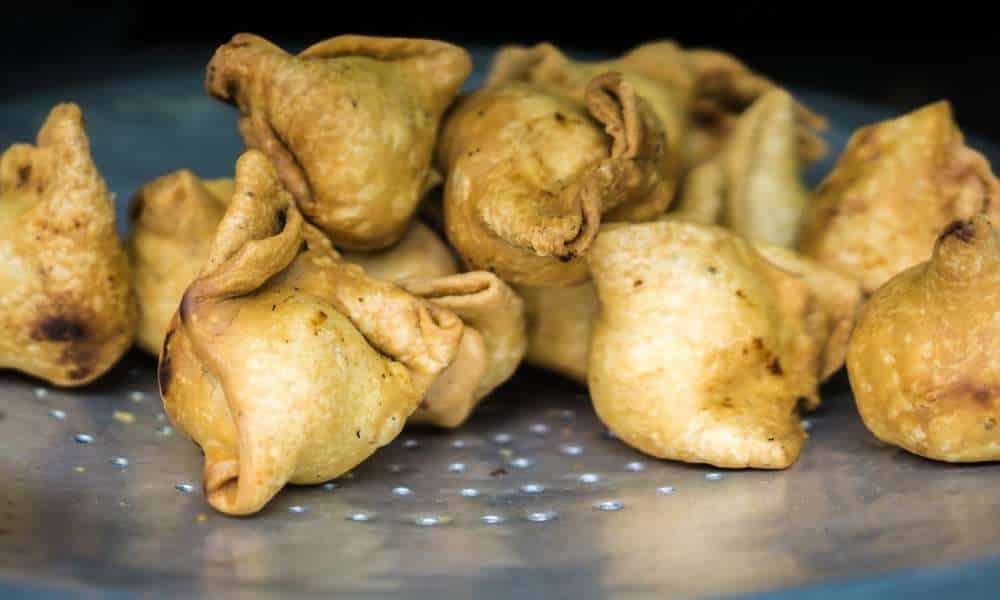
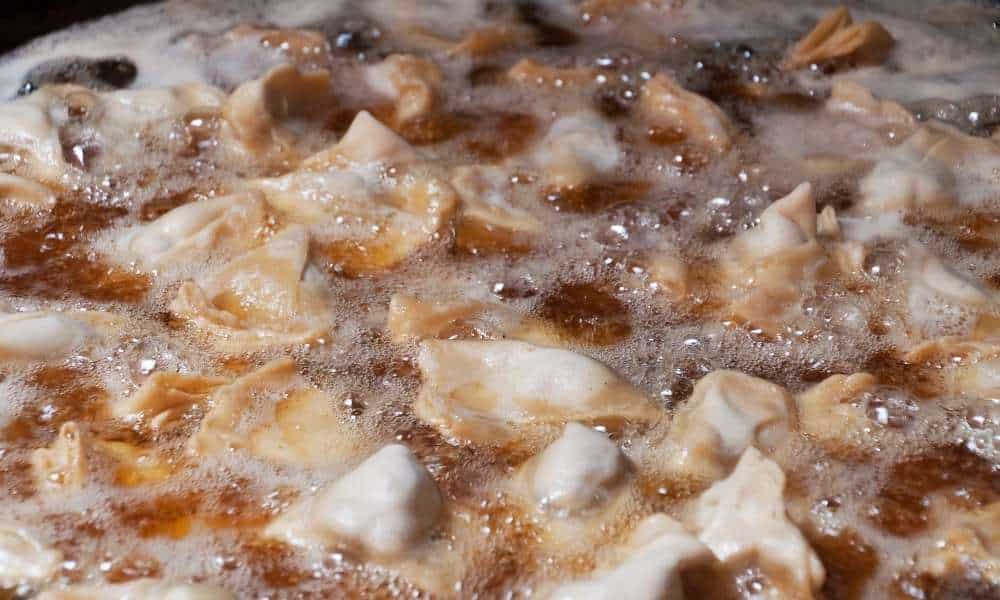
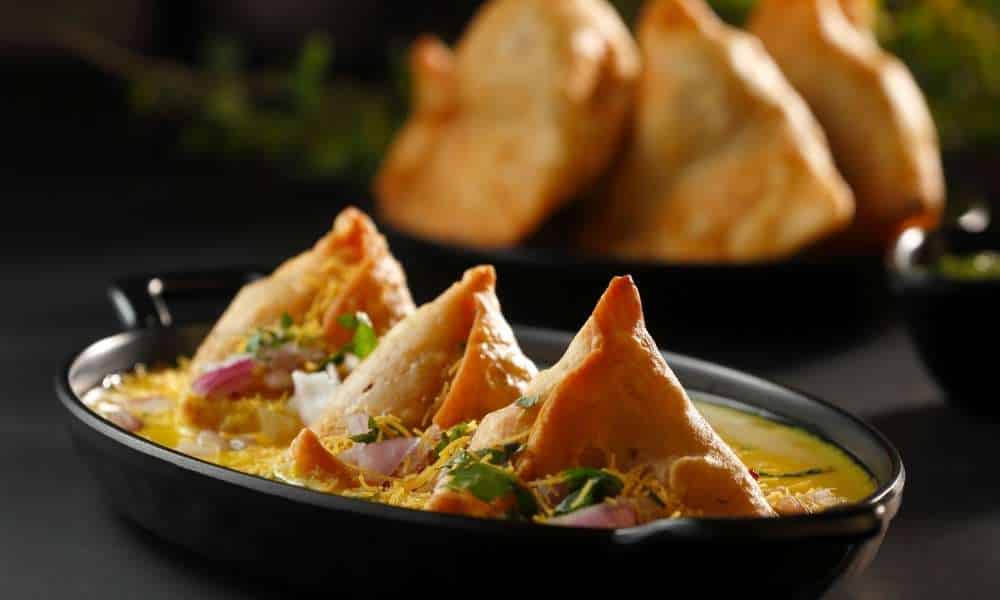
If it is boiled, fried, or grilled in front of your eyes, it is safe.
Why: High heat kills bacteria (E. Coli, Salmonella). A samosa coming straight out of boiling oil is sterile. Avoid: Pre-cooked buffets where food sits lukewarm for hours. That is where bacteria grow.

2. The “Water” Trap Rule
Never consume tap water. The Pani Puri Risk: The spicy water in Pani Puri (Gol Gappa) is often made with raw tap water. Skip it at random roadside stalls.
The Exception: Only eat “water-based” snacks at verified hygienic spots (see our list below) that use mineral water.
Essential Reading: Is Tap Water Safe in India? Our Honest Review of the Grayl Geopress –>
3. The Crowd Heuristic Rule
If a stall has a line of families with children, join the queue. When looking for safe street food in India, high turnover is your best guarantee that the ingredients are fresh.
Why: High turnover means the food hasn’t been sitting around. Locals know which stomachs are sensitive; if Indian parents trust it for their kids, it is generally safe.
4. The “Peel” Principle Rule
Eat fruits only if you can peel them yourself (Bananas, Oranges, Papaya). The ‘Peel’ Principle is a cornerstone of finding safe street food in India; if you can’t wash it or peel it, skip it.
Avoid: Pre-cut fruit salads displayed on carts. They are often kept fresh by sprinkling them with tap water.
5. The “Chutney” Check Rule
Green Chutney (Cilantro/Mint) is often raw. If you have a sensitive stomach, skip the wet green chutney. Stick to the sweet Red (Tamarind) chutney, which is boiled during preparation.
While chutneys are delicious, they are the most common variable when searching for safe street food in India.
The Sanatan Science: Why Spices are Your “Gut Armor”
Did you know that Indian food isn’t just spicy for flavor? Ancient Ayurvedic science designed these spice blends to act as digestive aids and anti-bacterials.
- Cumin (Jeera): A natural prokinetic. It physically forces food to move through your stomach faster so bacteria cannot settle.
- Ginger (Adrak): The ultimate anti-nausea remedy.
- Turmeric (Haldi): A powerful anti-inflammatory and antiseptic.
Understanding the ‘Gut Armor’ of spices is the first step toward enjoying safe street food in India like a local.
The Pro-Tip: Feeling heavy after a meal? Don’t reach for a Tums yet. Chew on the Fennel Seeds (Saunf) offered at the end of the meal. They are nature’s digestive pill.

The “Safe List”: Where to find safe street food in India
Let’s be honest: India is a street food paradise. From the spicy Poha-Jalebi of Indore to the melt-in-your-mouth Kebabs of Lucknow and the legendary Thalis of Surat, Ahmedabad, and Varanasi, the country is dotted with “street food heavens.”
An entire library of books wouldn’t be enough to list every incredible joint across Bharat. However, if you are just starting your journey and feeling a bit nervous, here are a few spots that set the benchmark for safe street food in India and are perfect for getting your first “feel” for the flavors using filtered water and high hygiene standards.

1. Delhi
- Natraj Dahi Bhalla (Chandni Chowk): A legend since 1940. They turnover 1,000+ plates an hour, ensuring nothing sits around.
- Haldiram’s / Bikanervala: These are “Safe Haven” chains with AC, high hygiene standards, and authentic taste. Haldiram’s and Bikanervala are chains. You will find them across India.
2. Mumbai
- Elco Pani Puri (Bandra): The gold standard for expats. They are famous for using mineral water for their spicy pani, allowing you to experience the crunch without the worry.
- Swati Snacks: Impeccably clean, this spot offers traditional Gujarati street food in a refined, restaurant setting.
3. Bangalore
- Thindi Beedi (VV Puram): A literal “Food Street.” For the safest experience here, stick to the Hot Jalebi or Dosa stalls where the intense heat of the tawa (griddle) kills any potential bacteria.
- Bhartiya Jalpan: Like Haldiram’s and Bikanervala, Bhartiya Jalpan is a chain dotting Bangalore and other places across India.
Your Stomach Survival Kit
Preparation is the secret to enjoying safe street food in India. Add these three essentials to your day bag to stay healthy on the road.
1. The “Magic” Water Bottle
Don’t buy 10 plastic bottles a day. Use a bottle that filters tap water instantly.
Related Guide: Review of the Grayl Geopress –>
2. The “Just in Case” Insurance
If you do get sick, you want access to the best private hospitals without worrying about the bill.
Read More: Travel Insurance for India Guide (2026)–>
3. Probiotic for India Trip
Start taking a robust probiotic 3 days before your flight to prime your gut bacteria.

Safe Street Food in India: Frequently Asked Questions
Image Credits
The visuals of the vibrant safe street food scene in this guide are courtesy of the talented creators at Taste and Try, who capture the essence of Bharat’s flavors so beautifully.
Conclusion: Your Strategy for Safe Street Food in India
India is an assault on the senses, and taste is the most important one. Don’t let fear keep you in the hotel room. Follow the safe street food In India guide, respect the Sanatan Science of spices, and take that first bite of hot Samosa. It will be worth it. Before you head out to the stalls, ensure you’ve checked off the health essentials on our comprehensive India Packing List.
Editors Note: “Bindass Khao!” (Eat Without Fear)
There is a local saying: “Bharat aa ke street food nahi khaya, toh kya khaya?” (If you came to India and didn’t eat street food, did you really eat anything?)
Now that you know the safety rules, you are ready. Go ahead—Bindass khao.
But don’t just point and grunt at the menu. Download our free “Safe Street Food In India Cheat Sheet.” It includes the essential Hindi phrases for “Is this fresh?”, “Medium Spicy”, and “No tap water, please!” (a rule you can master with the Grayl Geopress) so you can order like a local.
Download Your Street Food Survival Cheat Sheet
Master the 5 Golden Rules of safety and the essential Hindi phrases to eat like a local. Don’t just point—speak with confidence, respect the culture, and stay healthy on your journey through Bharat.