

The Ultimate Everest Base Camp Trek Guide: 5 Proven Routes to the Roof of the World

To stand at the base of the world’s highest mountain is a milestone that transcends physical boundaries. Undertaking an authentic Everest Base Camp Trek is far more than a standard high-altitude hike; it is a deeply spiritual pilgrimage through the sacred heart of the Khumbu region, where towering geological monuments meet centuries-old Buddhist traditions. While the ultimate physical milestone is reaching the rock-strewn ice fields of Everest Base Camp at 5,364 meters, the true essence of this path is found in the rhythmic chanting of monks at Tengboche Monastery, the fluttering of multi-colored prayer flags crossing deep gorges, and the rich cultural warmth of the Sherpa people who hold these mountains sacred.
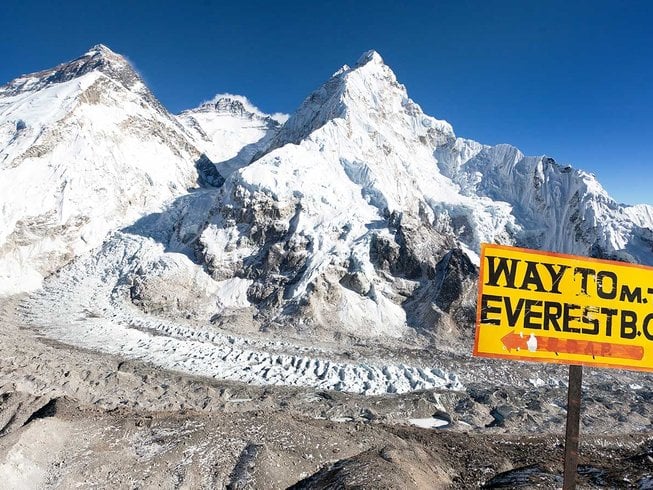
Every footstep along this iconic trail serves as an exercise in mental presence and physical endurance. From navigating the world’s most dramatic suspension bridges over the rushing Dudh Koshi River to acclimatizing in the vibrant hub of Namche Bazaar, an Everest Base Camp Trek challenges your body while expanding your mind. The emotional pinnacle of the entire voyage unfolds during the raw, unforgettable Kala Patthar Sunrise, where the early morning golden light strikes the sheer, jagged face of Mount Everest, revealing a visual perspective so profound it has become the most viral and sought-after moment in global trekking.
Mapping the Khumbu: Structural Topography & Curated Voyages
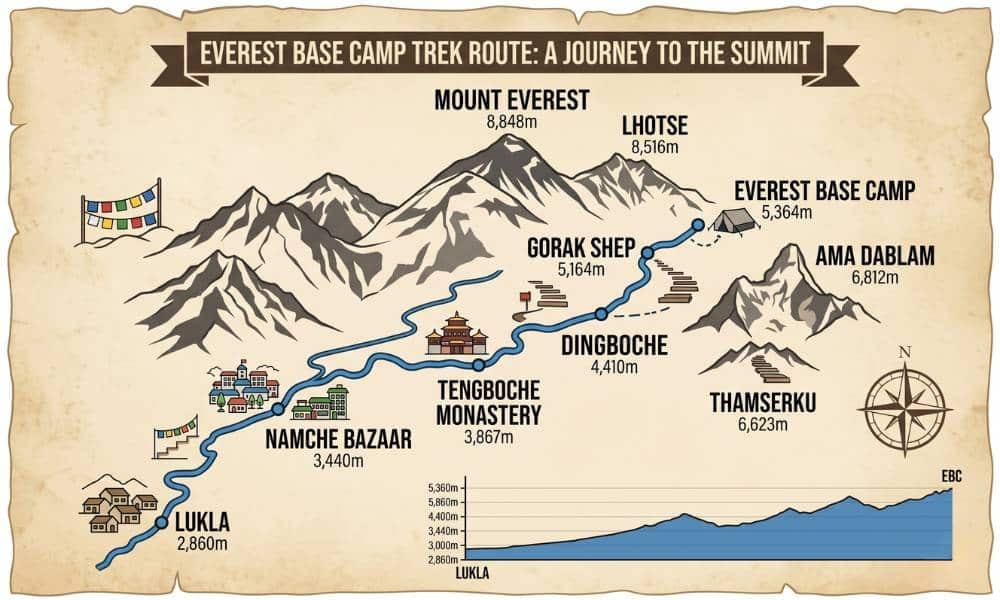
Navigating the massive vertical relief of the Solukhumbu requires a clear understanding of its distinct microclimates, settlement elevation profiles, and sacred geographic interfaces. The visual map below details the complete geographical progression from the landing strip at Lukla up to the high alpine scree fields of the base camp.
Best Windows to Experience the Everest base Camp Trek
Here are the two best windows to experience the Everest Base Camp Trek, each offering a distinct advantage depending on your priorities:
- The Spring Window (March to May): This season is highly favored for its warmer high-altitude temperatures and vibrant trails. As you ascend through the lower valley, you are treated to blooming rhododendron and pine forests bursting with color. This is also peak climbing season for Mount Everest summits, meaning the actual base camp transforms into a buzzing, world-class tent city filled with international expeditions.
- The Autumn Window (September to November): This period is renowned for offering the crispest, most reliable cloud-free skies of the entire year. Sharp post-monsoon air clears away dust and moisture, creating razor-sharp mountain visibility that makes it the absolute ideal time for photographing the peaks and capturing an unobstructed Kala Patthar Sunrise.
The Living Tapestry of the Khumbu: Sherpa Culture and Heritage
To step onto the main trail of an Everest Base Camp Trek is to enter Chomolungma; the “Mother Goddess of the World”. It is the sacred name given to Mount Everest by the native Sherpa people. Tracing their ancestral lineages back over 500 years to the eastern Kham region of Tibet, the Sherpas are far more than legendary high-altitude guides; they are the intentional protectors and spiritual anchors of these alpine zones. Their deep connection to the land is rooted in the Nyingmapa sect of Tibetan Buddhism, which teaches an unwavering reverence for the natural world and a profound compassion for all living beings.
As you navigate the trail, this deep-seated spirituality manifests physically across the landscape, transforming a challenging high-altitude hike into an active, moving meditation.

Understanding and respecting the architectural and behavioral expressions of Sherpa culture and heritage is essential for any responsible traveler. Here are the core cultural interfaces you will encounter along the route:
- Mani Walls and Chortens: Running directly through the center of paths in villages like Namche Bazaar and Pangboche are long stone structures built from thousands of individual slate tablets hand-carved with sacred Buddhist texts. Traditional etiquette dictates that you must always pass to the left side of these structures, walking in a clockwise direction to mirror the movement of the universe and accumulate positive karma.
- Mani Korlo (Prayer Wheels): These cylindrical, hollow metal wheels house tightly rolled, block-printed scrolls containing millions of written mantras. Spinning these wheels clockwise with a gentle, steady motion using your right hand releases those prayers into the mountain wind, dynamically purifying your intention and generating merit for your upcoming high-altitude journey.
- The High Camp Puja Ceremony: Before any commercial climbing team sets foot on the icefall of Mount Everest, a certified lama constructs a stone altar at base camp to conduct a sacred Puja. This ritual is a humble request to the mountain deities for safe passage, protection, and forgiveness for disturbing the snow. Participating in or quietly witnessing this ceremony offers an unforgettable glimpse into the raw spiritual core that fuels survival at these extreme limits.
The Top 5 Everest Base Camp Adventure Voyages
When selecting your ideal Everest Base Camp trek package, balancing your physical preparation with a well-paced itinerary is essential for proper acclimatization. Below are the five top-tier, highly-vetted adventures active across the region.
1. 14-Day Ultimate Everest Base Camp Adventure
The absolute definitive gold standard for entering the Khumbu region. This expertly balanced itinerary provides a comprehensive approach to the classic route, offering dedicated acclimatization rest periods in Namche Bazaar and Dingboche to help minimize the overall Everest Base Camp trek difficulty while leaving ample space for village exploration.
Highlights:
- A breathtaking, fully-guided Tengboche Monastery spiritual tour to attend late afternoon prayer chants and receive traditional safety blessings from the resident Lama.
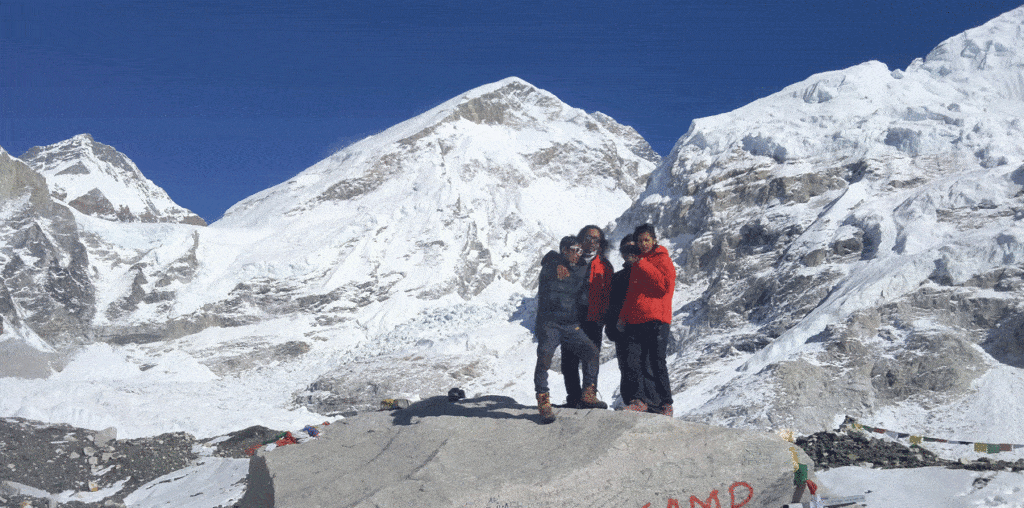
- Standing amidst the historic rock cairns and colorful prayer flags at the base camp ice lip.
- An early morning climb up to the Kala Patthar sunrise viewpoint to witness the first rays of light illuminating the Southwest Face of Everest.

- Spiritual Sanctuary: The iconic Tengboche Monastery serves as a critical cultural and spiritual waypoint for travelers seeking inner balance along the historic trail.
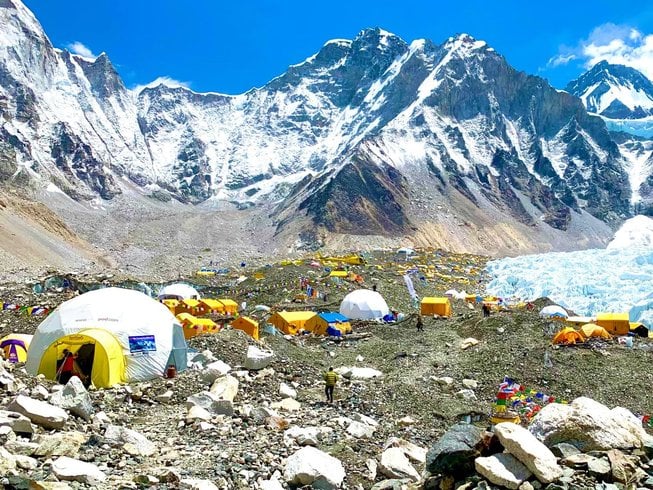
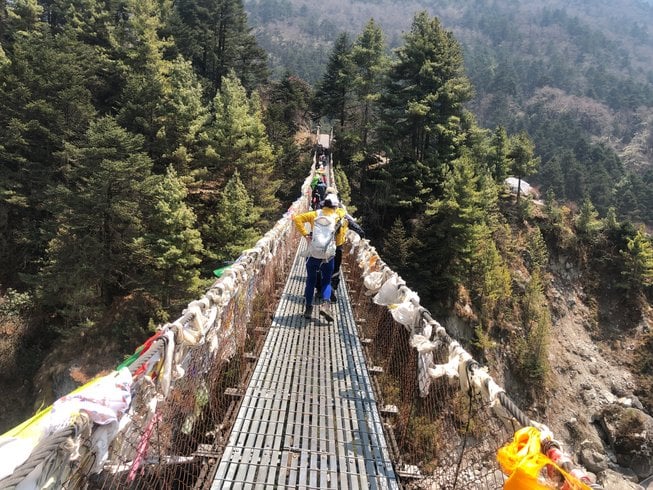

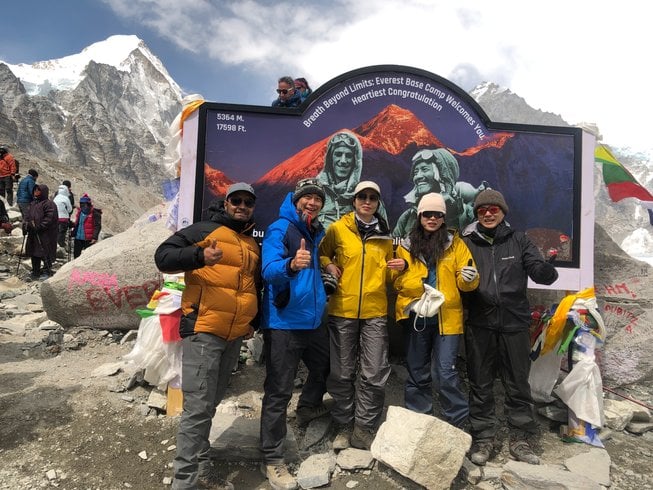
Route: Kathmandu – Lukla – Phakding – Namche Bazaar – Tengboche – Dingboche – Lobuche – Gorak Shep – Everest Base Camp – Kala Patthar – Pheriche – Namche – Lukla – Kathmandu
Best For: First-time high-altitude trekkers demanding a reliable, traditional pace with a verified local Nepal trekking tour guide to secure a safe ascent profile.
2. 11-Day Everest Base Camp Trek with Helicopter Return
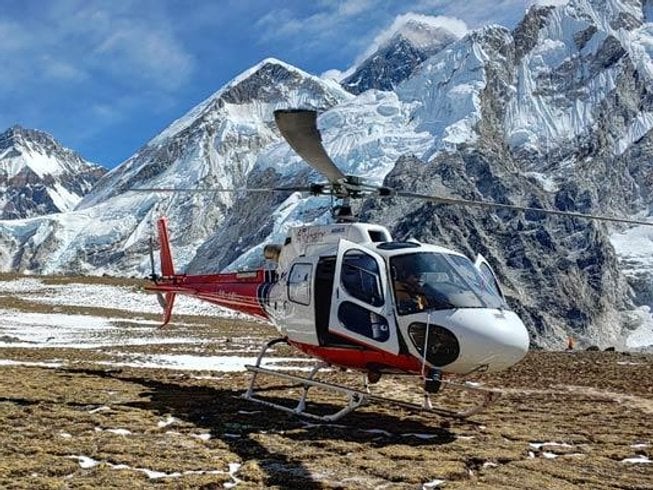
A highly optimized, premium hybrid itinerary designed specifically for fit adventurers with limited time. This package follows the classic ascent trail up to Base Camp and Kala Patthar, but completely eliminates the knee-jarring, repetitive 4-day walk back down by utilizing a private mountain helicopter flight from Gorak Shep straight back to Lukla or Kathmandu.
Highlights:
- Drastically reduces traditional return travel time while offering an epic, bird’s-eye aerial panorama of the entire Khumbu Glacier icefall.
- Immersive afternoon walks focusing on deep Sherpa culture and heritage inside the historic alleyways of local high-altitude villages.
- Achieves the definitive milestone of standing at both Base Camp and the Kala Patthar sunrise viewpoint in under two weeks.

Route: Kathmandu – Lukla – Phakding – Namche Bazaar – Tengboche – Dingboche – Lobuche – Gorak Shep – Everest Base Camp – Kala Patthar Sunrise – Helicopter Fly-Out to Lukla/Kathmandu.
Best For: Experienced hikers or active professionals seeking a time-efficient option that cuts out trail repetition while maximizing high-alpine exposure.
3. 15-Day Sacred Lakes & Cho La Pass Wilderness Circuit
An extraordinary, deep-wilderness alternate routing that breaks away from the main commercial path. This challenging itinerary by Nepal Wilderness Trekking guides you through the pristine, neon-turquoise glacial waters of the Gokyo Lakes, requires crossing the technical, ice-glazed boulder fields of Cho La Pass (5,420m), and seamlessly links back up to the main Base Camp trail.
Highlights:
- Unroll your mat for an independent, groudning pranayama sequence along the peaceful, silent shores of the sacred high-altitude Gokyo Lakes.
- Experience the raw, technical thrill of navigating across the slippery mountain ice and rocky scree of the high Cho La Pass (5,420m).
- Double your high-alpine views by hitting both the iconic Base Camp and the quintessential Kala Patthar sunrise viewpoint
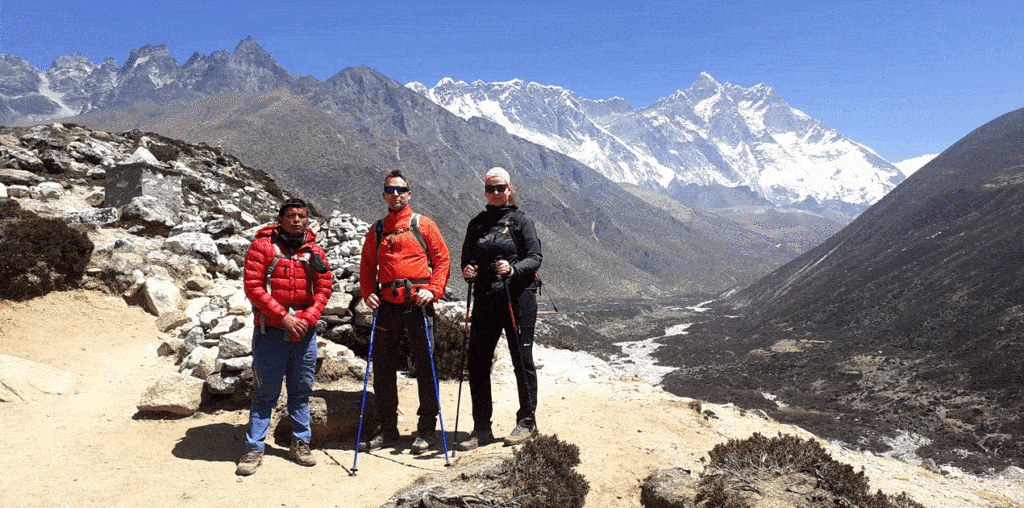
Route: Kathmandu – Lukla – Phakding – Namche Bazaar – Dole – Machhermo – Gokyo Lakes – Cho La Pass – Dzongla – Lobuche – Everest Base Camp – Kala Patthar Viewpoint – Pheriche – Namche – Lukla – Kathmandu.
Best For: Advanced, highly conditioned mountain travelers looking for an authentic challenge away from the primary trail bottlenecks, wrapped in dramatic, diverse landscapes.
4. 14-Day Everest Base Camp Yoga & Hiking Tour
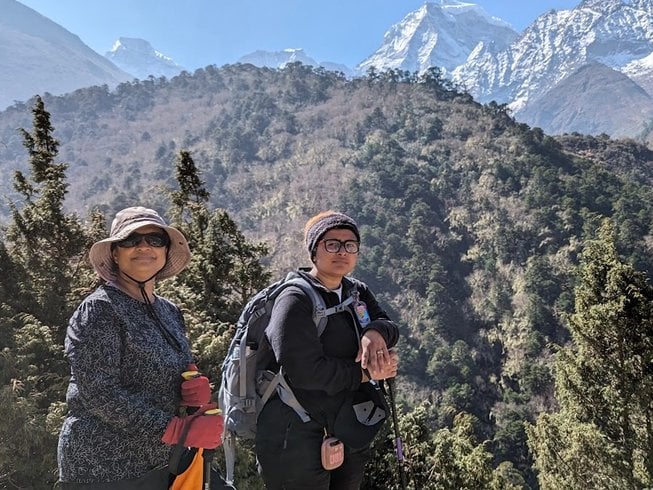
A beautifully integrated spiritual odyssey that treats the trail as a moving mountain ashram. This comprehensive package by Holiday Tours Nepal expertly addresses the physical Everest Base Camp trek difficulty by pairing daily high-altitude trail conditioning with therapeutic yoga asanas, deep pranayama breathing sessions, and guided meditation directly facing the highest peaks on Earth.
Highlights:
- Participate in structured morning dynamic pranayama sequences to naturally expand lung capacity before tackling demanding trail inclines.
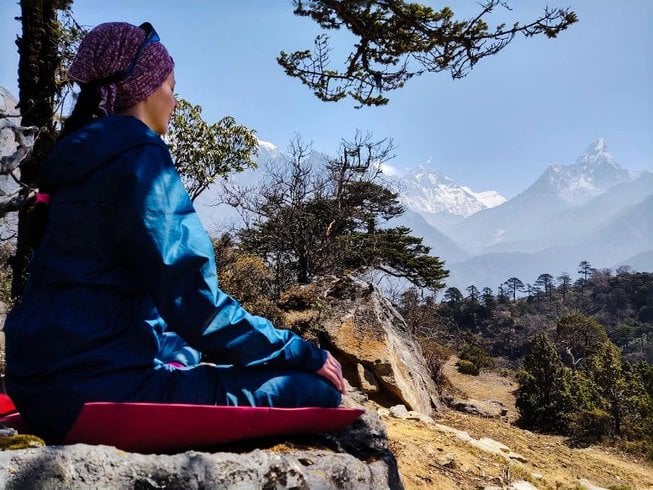
- Immerse yourself in a profound Tengboche Monastery spiritual tour, meditating within the sacred energetic radius of the Khumbu’s spiritual heartbeat.
- Practice a transformative morning meditation at the Kala Patthar sunrise viewpoint, greeting the golden rays illuminating the Southwest Face of Mount Everest.
Route: Kathmandu – Lukla – Phakding – Namche Bazaar – Tengboche – Dingboche – Lobuche – Gorak Shep – Everest Base Camp – Kala Patthar Viewpoint – Pheriche – Namche – Lukla – Kathmandu.
Best For: Mindful travelers and wellness seekers who want to experience the absolute pinnacle of Himalayan trekking without sacrificing their spiritual alignment or physical recovery routines.
5. 12-Day Classic Everest Base Camp Trek
The quintessential Himalayan expedition blueprint. This globally acclaimed 12-day itinerary hosted on TripAdvisor provides an immersive, expertly paced ascent profile through the heart of the Sagarmatha National Park. It balances daily mileage carefully with mandatory altitude rest frames to maximize your safety and trail completion rates.
Highlights:
- Walk iconic trails once mapped by legendary pioneers Tenzing Norgay and Sir Edmund Hillary.
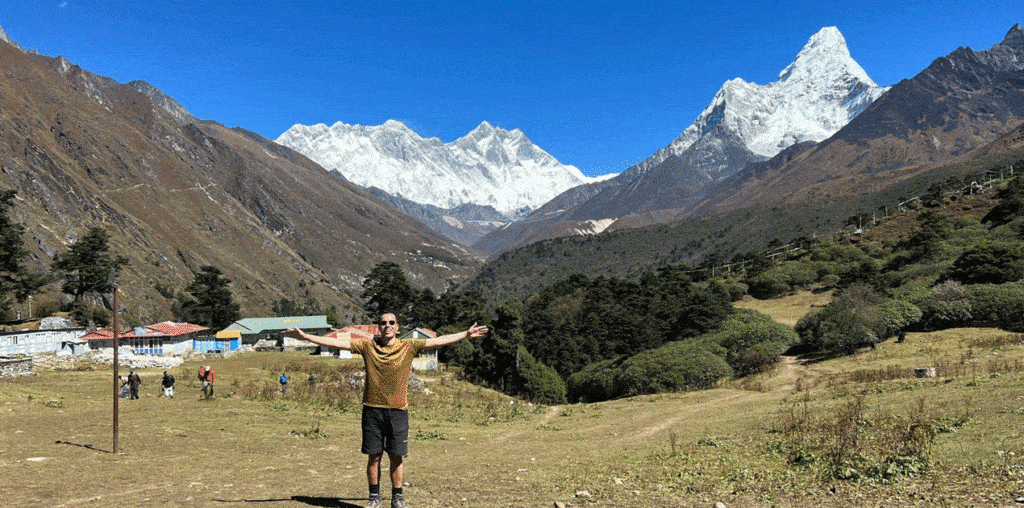
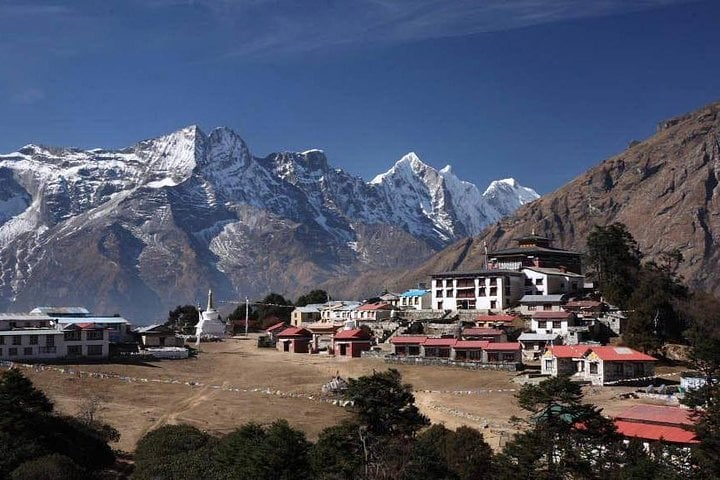
- Spend an unforgettable evening in the high shadow of Ama Dablam, listening to the evening chants of Buddhist monks on a comprehensive Tengboche Monastery spiritual tour.
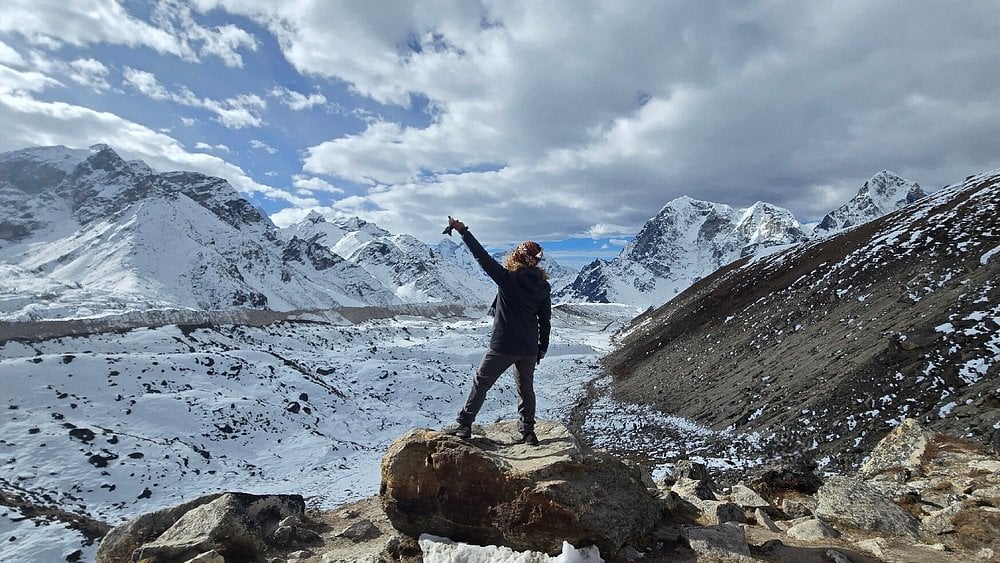
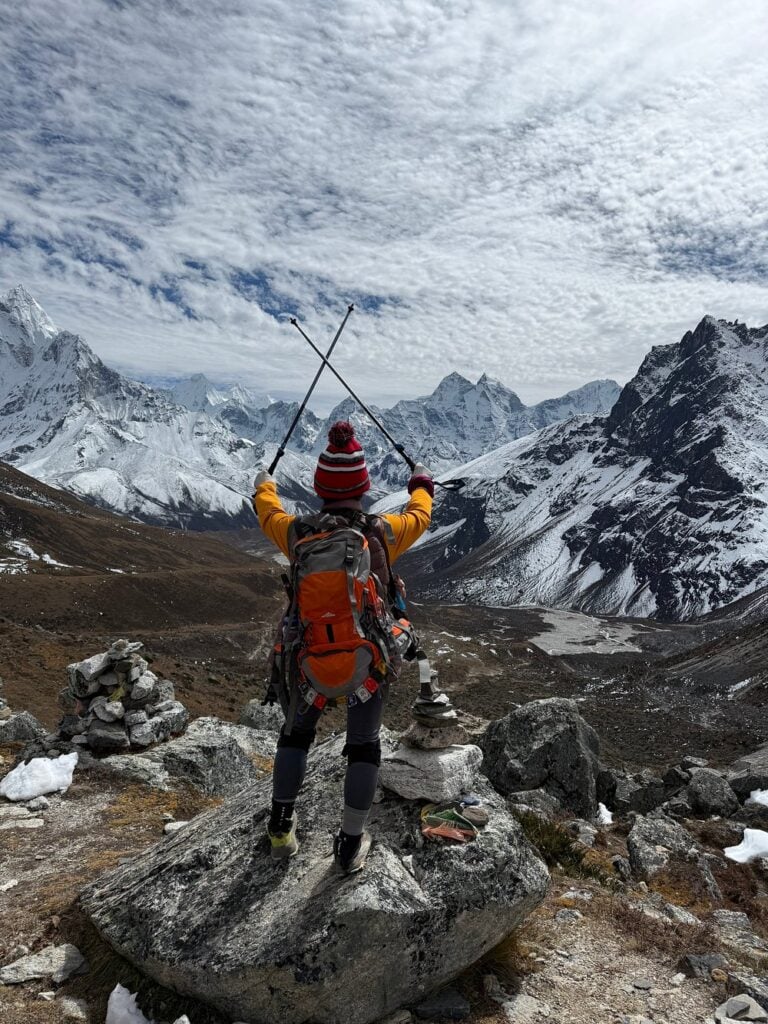
- Stand at the absolute pinnacle of global trekking, the rocky crest of the Kala Patthar sunrise viewpoint as dawn illuminates the entire Everest massif.
Route: Kathmandu – Lukla – Phakding – Namche Bazaar – Tengboche Monastery – Dingboche – Lobuche – Gorak Shep – Everest Base Camp – Kala Patthar Viewpoint – Pheriche – Namche – Lukla – Kathmandu.
Best For: Independent couples, solo travelers, and value-focused hikers who want an all-inclusive, highly trusted local operation with stellar peer reviews and simple booking security.
Insider Hacks from a Local Guide: The 2026 Lukla Buffer Strategy
As received from a veteran guide who has navigated these trails for years who cannot stress this enough: high-altitude logistics require patience and strategic foresight. In 2026, air traffic rules and shifting weather patterns mean that flights between Kathmandu and Lukla’s Tenzing-Hillary Airport are frequently diverted or delayed.

🛑 The Golden Rule of Khumbu Logistics
Never schedule your international flight home out of Kathmandu within 48 to 72 hours of your planned trail exit date. You must weave mandatory “Buffer Days” into your itinerary.
Essential Lukla Flight Booking Tips
- The Ramechhap Shift: During the peak spring and autumn trekking windows, the Civil Aviation Authority frequently diverts all standard Lukla flights to operate out of Manthali Airport in Ramechhap (a 4-to-5-hour drive from Kathmandu) to reduce congestion. Keep this driving time in mind when planning your transit days.
- Secure the First Flight Slot: Always aim for flight slots scheduled between 6:00 AM and 8:00 AM. Mountain winds and cloud cover typically pick up by mid-morning, causing immediate cancellations for later flights.
- The Helicopter Contingency: If commercial planes are grounded due to low visibility, helicopters can often still fly using specialized visual flight routing. Keep emergency funds set aside in case you need to upgrade to a helicopter seat to make your international flight on time.
The Himalayan Survival Kit & Insurance Blueprint
To ensure your physical safety and peace of mind while exploring remote high-altitude trails, your Everest Base Camp trek packing list must feature premium, technical gear designed to handle rapid thermal shifts.
Essential Gear Check
- The Layering Trinity: A high-loft down jacket rated to -15 degree C, a windproof/waterproof Gore-Tex outer shell, and merino wool thermal base layers.
- Water Purification: Bring a combination of a hollow-fiber membrane filter (like a Sawyer Squeeze) and chlorine dioxide purification tablets to ensure safe drinking water without relying on single-use plastic bottles.
- Oximeter Tracking: Keep a digital pulse oximeter handy to monitor your blood oxygen saturation levels (SpO_2) daily during your rest periods in Namche and Dingboche.
Your Everest Based Camp trek packing list is detailed in the following posts

The 2026 Himalayan Summer Survival Kit: A Practical Gateway to the Sacred Trails

From Valley Heat to Summit Cold: The Modular Layering Guide for the Himalayas

45L to 65L: Finding Your Perfect Himalayan Rucksack (2026 Buyer’s Guide)
Specialized High-Altitude Travel Insurance
Standard vacation insurance policies will not protect you in the Solukhumbu. You must secure a dedicated Himalayan high-altitude insurance policy that explicitly covers trekking up to 6,000 meters.
Ensure your policy includes an uncompromised Emergency Helicopter Evacuation clause. If you experience severe symptoms of Acute Mountain Sickness (AMS), High Altitude Pulmonary Edema (HAPE), or High Altitude Cerebral Edema (HACE), immediate helicopter evacuation to a hospital in Kathmandu is the only safe option; a logistical step that can easily cost upwards of $5,000 USD out-of-pocket if uninsured.
Why BharatDesha Recommends World Nomads
For the conscious modern explorer, travel insurance isn’t just a logistical box to check but it is the structural foundation of a safe, resilient expedition. When navigating the deep, high-altitude terrain of the Himalaya or carrying high-value creative assets across borders, World Nomads stands out as our premier recommended choice.
Here is why they have earned our trust:
- The High-Altitude Gold Standard: Standard vacation policies strictly cut off coverage at low elevations. World Nomads’ Explorer Plan is specifically engineered for extreme environments, offering robust protection for technical trekking, mountaineering, and wilderness activities up to high-alpine zones.
- Premium Gear Protection: As digital storytellers and creators, we know how devastating it is to lose your toolkit. World Nomads provides significantly higher coverage limits for premium tech gear, safeguarding your cameras, lenses, laptops, and drones against theft or damage on the trail.
- Uncompromised Emergency Resiliency: If acute altitude complications or severe weather shifts strike in remote valleys, you cannot afford logistical delays. World Nomads backs you with top-tier emergency medical evacuation coverage, ensuring a coordinated helicopter rescue is triggered the moment it’s medically required.
If you are planning a focused, multi-week Himalayan pilgrimage with a fixed itinerary and a pack full of creative gear, investing in their premium premium coverage offers absolute peace of mind.
📂 View Official External References ▼
To plan a safe, seamless, and legally compliant journey through the conservation networks of Nepal, please refer to the following official resources:
- Nepal Tourism Board (NTB): For up-to-date information on the Trekkers’ Information Management Systems (TIMS) cards, online permits, and authorized agency directories.
- Department of Immigration – Nepal: For official entry visa regulations, fees, and processing details regarding visas-on-arrival at Tribhuvan International Airport.
- Department of National Parks and Wildlife Conservation: To check official trekking permit portals and verified conservation area entry guidelines for the Sagarmatha and Annapurna National Park Authorities.
Everest Base Camp Trek: FAQs
Conclusion: Embodying the Spirit of the Trail
The journey to Everest Base Camp is ultimately far more than a physical trek across rugged geography. It is a slow, deeply conscious dismantling of internal limits, framed by the timeless cultural traditions of the Sherpa people and the protective watch of the world’s highest peaks. As you watch the morning sun turn the summit of Everest into a golden crown from Kala Patthar, you realize that the ultimate destination wasn’t simply a spot on a map but it was the clarity, presence, and inner balance you found with every single step along the way.

